
DIY Meshtastic Antenna Build: Simple Guide for Beginners ????
Published by Vivian van Zyl in Meshtastic the 01/29/2025 at 07:06 pm

Welcome to the world of DIY Meshtastic antennas! Whether you're a seasoned enthusiast or just starting out, building your own antenna can be both rewarding and practical. This guide will walk you through the essentials of construction, setup, and tuning for optimal performance. Let's dive in!
Table of Contents
- Understanding Antennas
- Tools of the Trade
- Building Your Own Antenna
- Directional vs. Omnidirectional Antennas
- Essential Tips for DIY Antenna Building
- Recommended Resources
- FAQs
Understanding Antennas
Antennas are crucial components in any wireless communication setup. They come in various shapes and sizes, each designed to resonate at specific frequencies. The key to a successful DIY antenna is understanding the frequency at which it resonates. This frequency determines the effectiveness of your antenna in transmitting and receiving signals.
When building your own antenna, the goal is to minimize signal loss. This means keeping the antenna as close to the radio as possible. Long cables between the antenna and the radio can result in significant transmission loss. For instance, a setup where the radio is indoors and the antenna is on the roof, connected by a long cable, is less effective.
Tools of the Trade
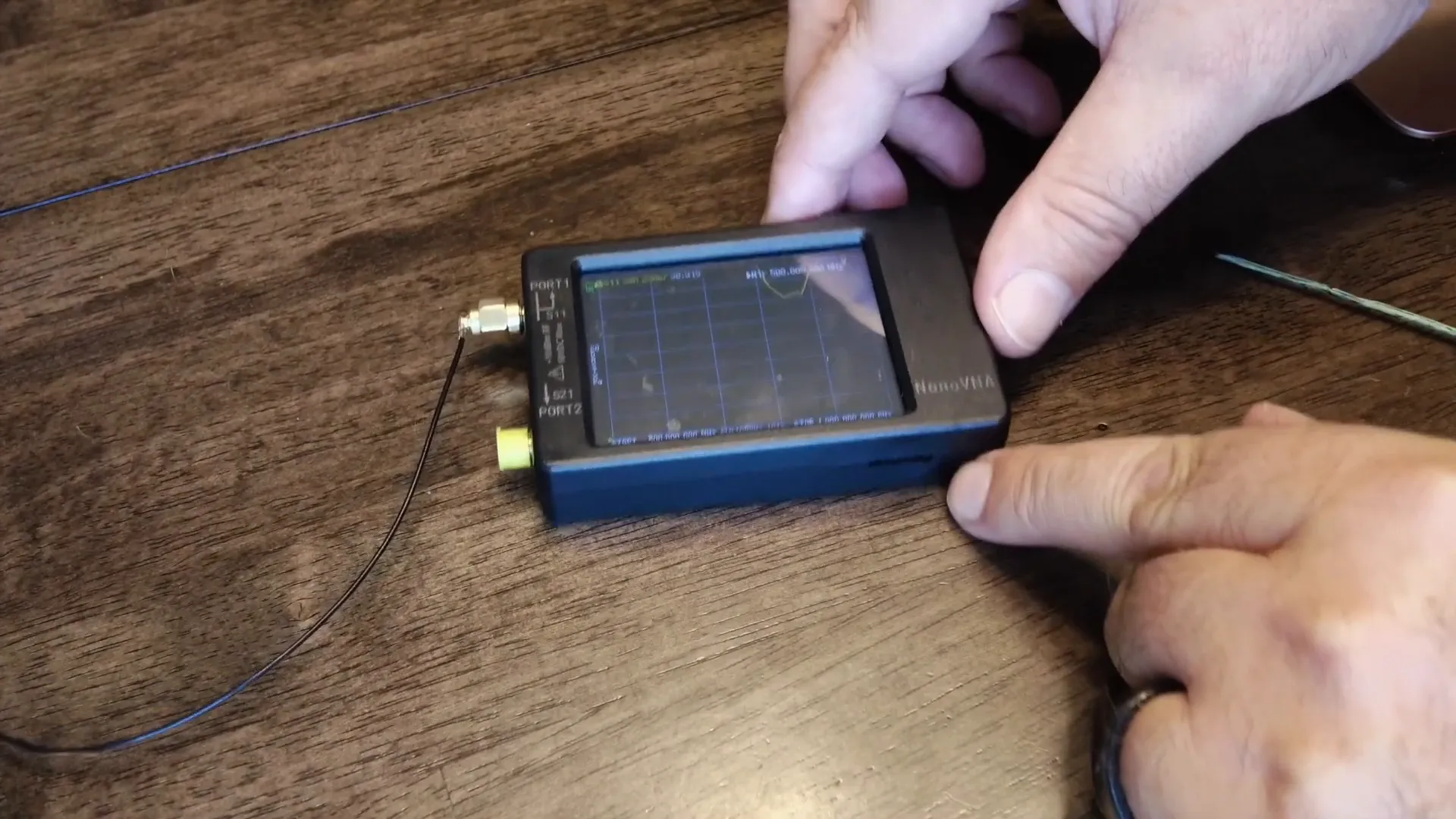
To measure and tune your antenna, a Vector Network Analyzer (VNA) is indispensable. This tool helps you determine the resonant frequency of your antenna. By connecting an old rubber ducky antenna to the VNA, you can observe a dip in the graph, indicating its resonant frequency. For example, a dip at 875 MHz suggests that the antenna is tuned to that frequency.
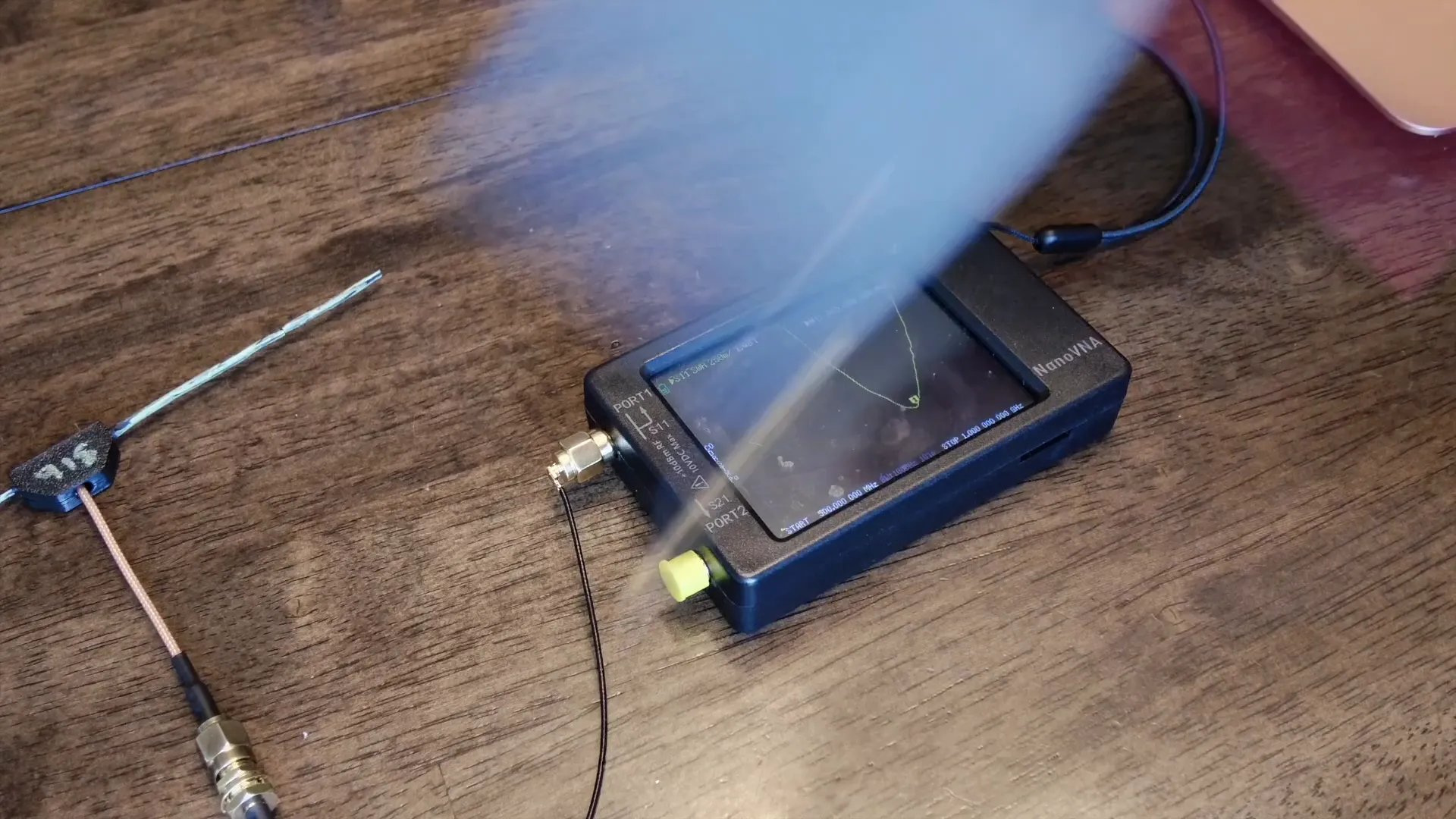
If your DIY antenna isn't resonating at the desired frequency, tuning is necessary. This involves trimming or extending the antenna elements. Shortening the elements will increase the frequency, while lengthening them will decrease it. It's a meticulous process, but with patience, you can achieve the perfect resonance.
Building Your Own Antenna
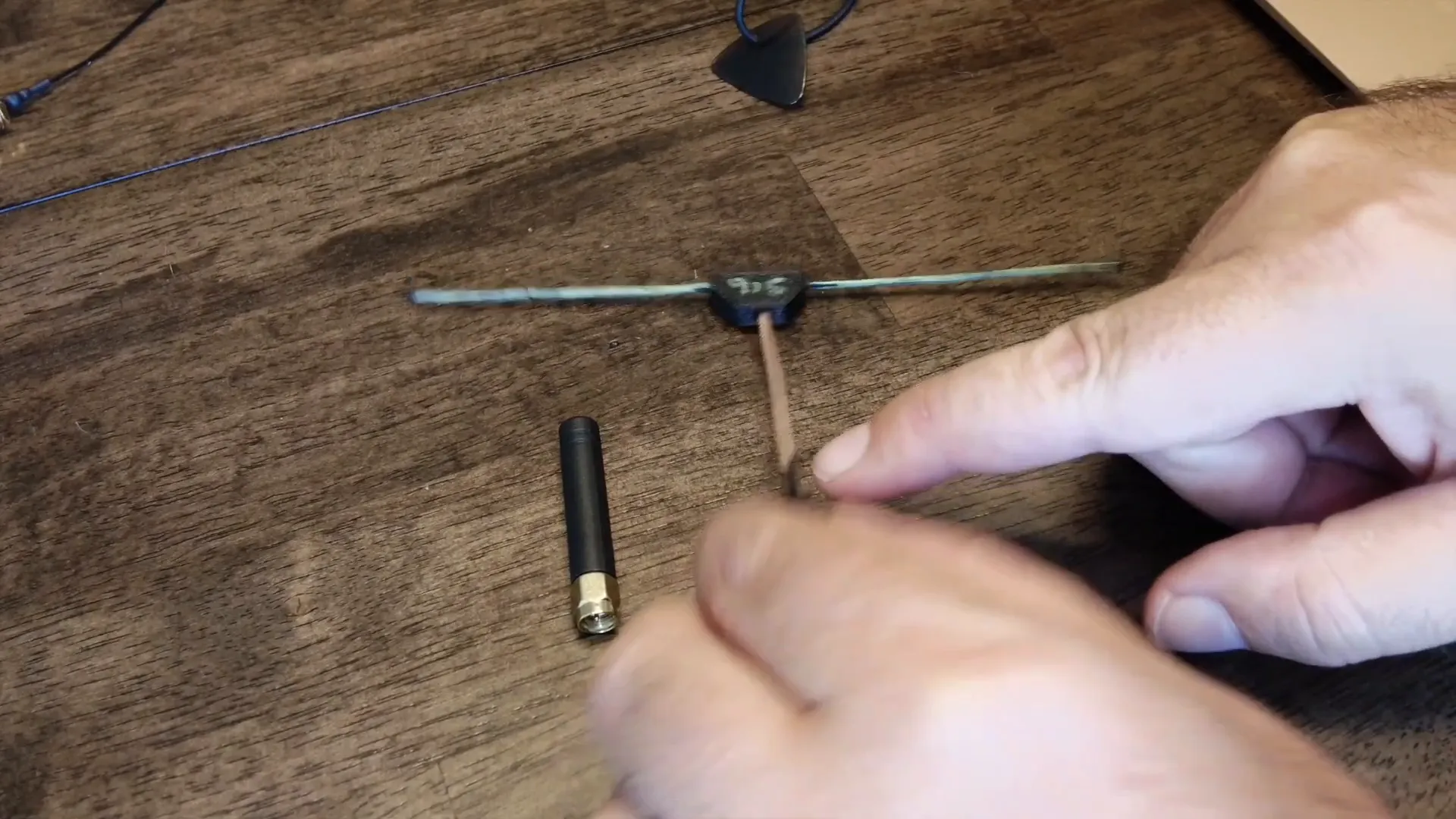
Creating your own antenna is simpler than it seems. One basic design involves two straight wires and a 3D-printed mount. The length and spacing of these wires determine the frequency and effectiveness of the antenna. You can find many 3D-printable designs online to get started.
Another approach is using aluminum rods, which are readily available and easy to work with. These rods can be cut to the desired length and assembled into a functional antenna. However, since aluminum can't be soldered directly, a thin copper strip can be used to connect the rods to the pigtail.
Directional vs. Omnidirectional Antennas
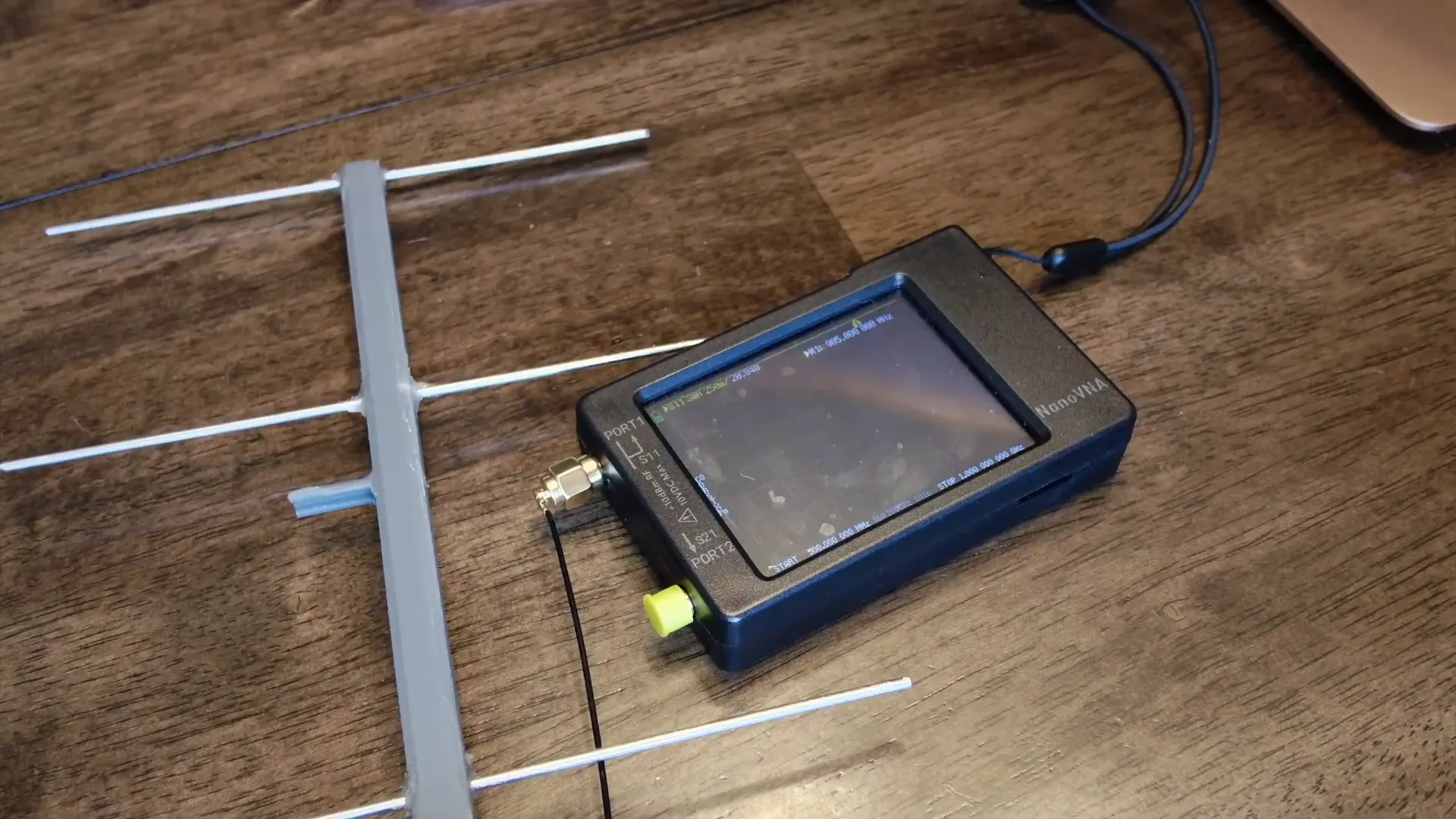
Antennas can be categorized as directional or omnidirectional. Directional antennas focus the signal in a specific direction, providing a stronger connection to a targeted area. This is particularly useful in connecting to a specific node or device.
On the other hand, omnidirectional antennas distribute the signal evenly in all directions. While they offer broader coverage, the signal strength may not be as concentrated as with directional antennas. Choosing between the two depends on your specific needs and setup.
Essential Tips for DIY Antenna Building
Here are some practical tips to ensure your DIY antenna project is a success:
- Keep the antenna as close to the radio as possible to minimize transmission loss.
- Use a VNA for precise frequency measurements and tuning.
- Experiment with different materials like wire and aluminum rods for better results.
- Consider using 3D-printed mounts for easy assembly and customization.
Recommended Resources
For more detailed discussions and community advice, check out the Meshtastic DIY Antennas forum. You'll find plenty of tips and shared experiences from fellow DIY enthusiasts.
Additionally, tools like the NanoVNA-H4 Vector Network Analyzer are invaluable for precise frequency tuning and measurements.
FAQs
What is a Meshtastic Antenna?
A Meshtastic antenna is designed for use with Meshtastic devices, which are part of a mesh network for communication over long distances without relying on traditional cellular networks.
Why should I build my own antenna?
Building your own antenna allows for customization to your specific needs and can be more cost-effective than purchasing a pre-made one.
Can I use any type of wire for my DIY antenna?
Yes, but the type of wire can affect the performance. Copper is commonly used for its conductivity, but aluminum rods are also a popular choice for their rigidity and ease of use.
How do I ensure my antenna is tuned correctly?
Using a Vector Network Analyzer (VNA) will help you measure the resonant frequency and adjust your antenna elements accordingly.
What’s the difference between directional and omnidirectional antennas?
Directional antennas focus the signal in one direction, providing stronger connections to specific points. Omnidirectional antennas distribute the signal evenly in all directions, offering broader but less concentrated coverage.
With these insights and tips, you're well on your way to successfully building your own DIY Meshtastic antenna. Happy building!